The Majingilane Years
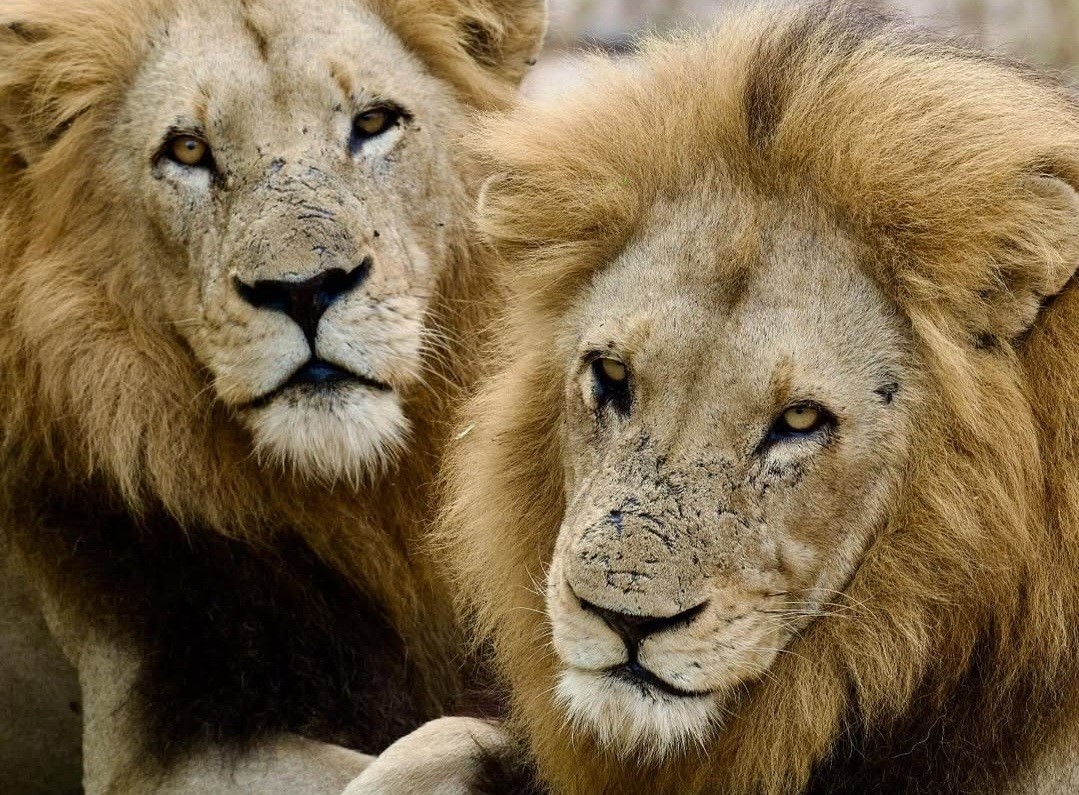
Under the protection of prime Majingilane males, the Mhangeni pride successfully raised their first generation to maturity. By late 2015, the sub-adults were nearing three years of age and were ready to leave the pride. The six young females and three young males left their natal pride to form a breakaway pride, triggering the Mhangeni pride females to come back into estrus. The six young females later formed the Kambula pride, while the young males eventually disappeared into the Kruger. The Majingilane males sired a second generation of offspring born between late 2015 and mid-2016. The pride grew to a large size, with 12 cubs who were thriving and nearing sub-adulthood. However, 2018 was a tragic year for the pride. The Majingilane males, nearing 14 years old, passed away due to old age. With the dominant males gone and the cubs nearing two years old, the Mhangeni females came back into estrus and left their territory to seek new males. This effectively meant the females abandoned the 12 sub-adults prematurely, as they were still a few months away from becoming fully independent.
The Tragedy of the Mhangeni 12
The 12 Mhangeni sub-adults—nine males and three females—were mostly under or just about two years old. Their early nomadic life and struggle to survive was one of the most tragic stories in recent Sabi Sands history. The 12 sub-adults tried their best to endure, but factors such as mange, malnutrition, and the harshness of nomadic life at such a young age took a heavy toll. Fortunately, two of the young females managed to return to the pride and were accepted. Of the nine males, the oldest male and his two younger brothers managed to join the Nkuhuma pride in late 2018. The trio was extremely malnourished and ridden with mange. Despite support from the Nkuhuma pride, the two younger brothers died, while the oldest male, 'Big Boy,' survived a little longer before succumbing to an internal infection likely caused by the harsh conditions he endured while trying to survive. These young sub-adults were doomed from the start, and the unexpected death of Big Boy seemed almost like fate taunting them—these young lions were never meant to survive.
The Fruitless Post Majingilane Years
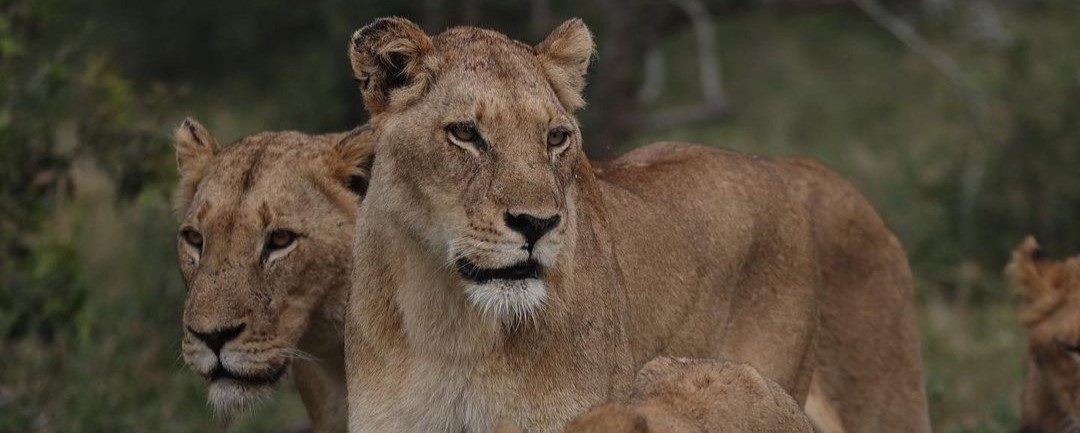
For the five years following 2016, the Mhangeni pride experienced a lean period. The pride consisted of six strong females during this time but lacked a strong coalition of males, which led to stagnant pride growth. The Birmingham males dominated the Kambula pride just south of Mhangeni territory and, though they never fully took over the Mhangeni pride, they fathered some cubs with its females—only one female reached adulthood. Another interesting period involved the young Othawa male, who was pseudo-dominant over the pride for years, frequently seen with the females but without offspring. After three years, the male was finally accepted and fathered a few litters. Unfortunately, his confidence led to his downfall; he was seen heading toward Birmingham territory one night and was never seen again. It was understood that the two aging Birmingham males caught and killed him, as the remains of a young male identified as the Othawa male were found in their territory. The pride lost his litters shortly after, except for a single female cub whom the pride fiercely protected. However, the cub disappeared after just over a year old. This marked the end of a five-year stretch of fruitless years for the pride.
Current Status and the Plains Camp Males
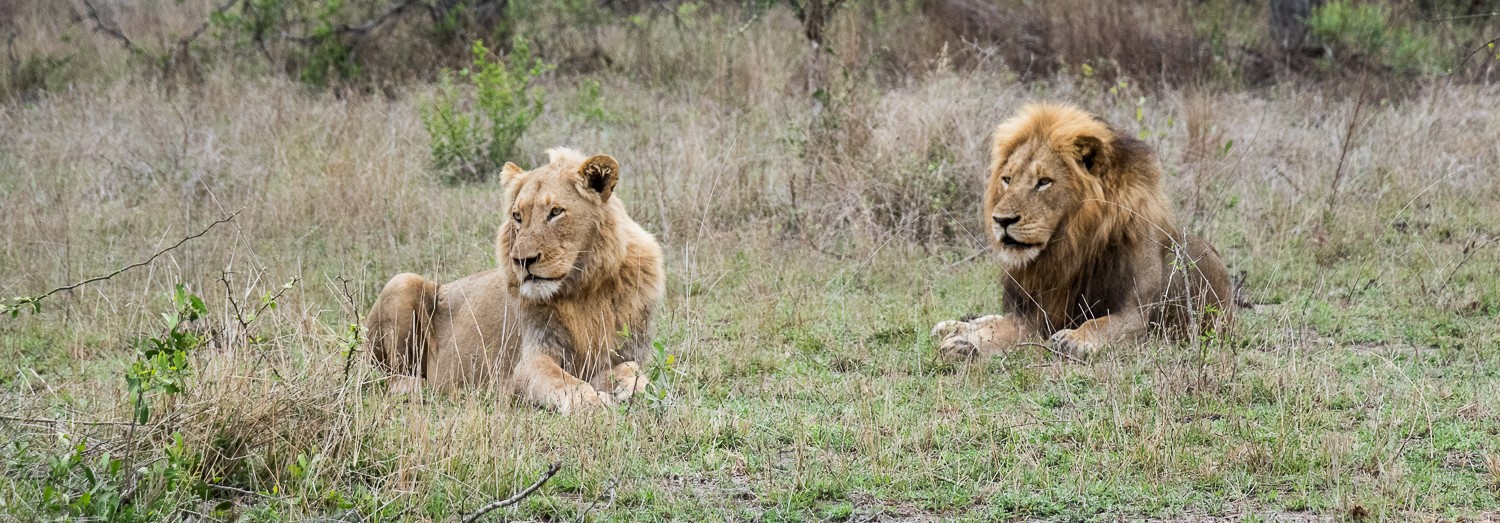
After losing the last cub from the Othawa male’s lineage, the pride was finally taken over in early 2022 by a duo of strong young males known as the Plains Camp males. The pride produced multiple litters sired by these males, signaling an end to the barren years of the late 2010s. The Plains Camp males were regularly seen with the pride for about a year, but sightings gradually became less frequent, suggesting the males had abandoned the pride while the young cubs were still about a year old. Currently, the pride consists of five females and four young sub-adults (three young females and one young male) fathered by the Plains Camp males, all around two years old. With the Plains Camp males pulling away, the pride has caught the attention of the Nkuhuma male and Khanya. As of mid-2025, the new males have been seen mating with the pride females. It remains unclear whether the pride will form a breakaway group or if the two males will peacefully accept the sub-adults. Interesting times lie ahead for this pride.
The information was gathered through various public medias such as blog pages, forums, and online groups.