Early Conquests and Losses
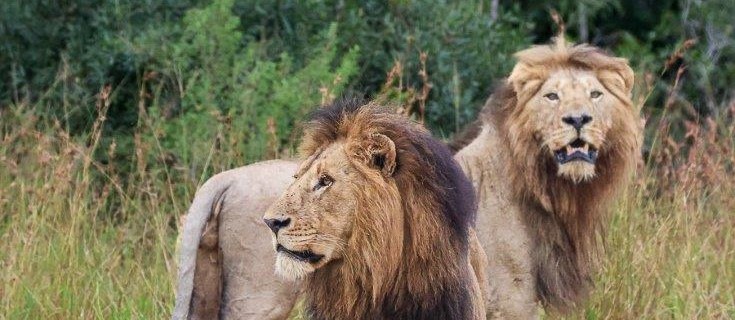
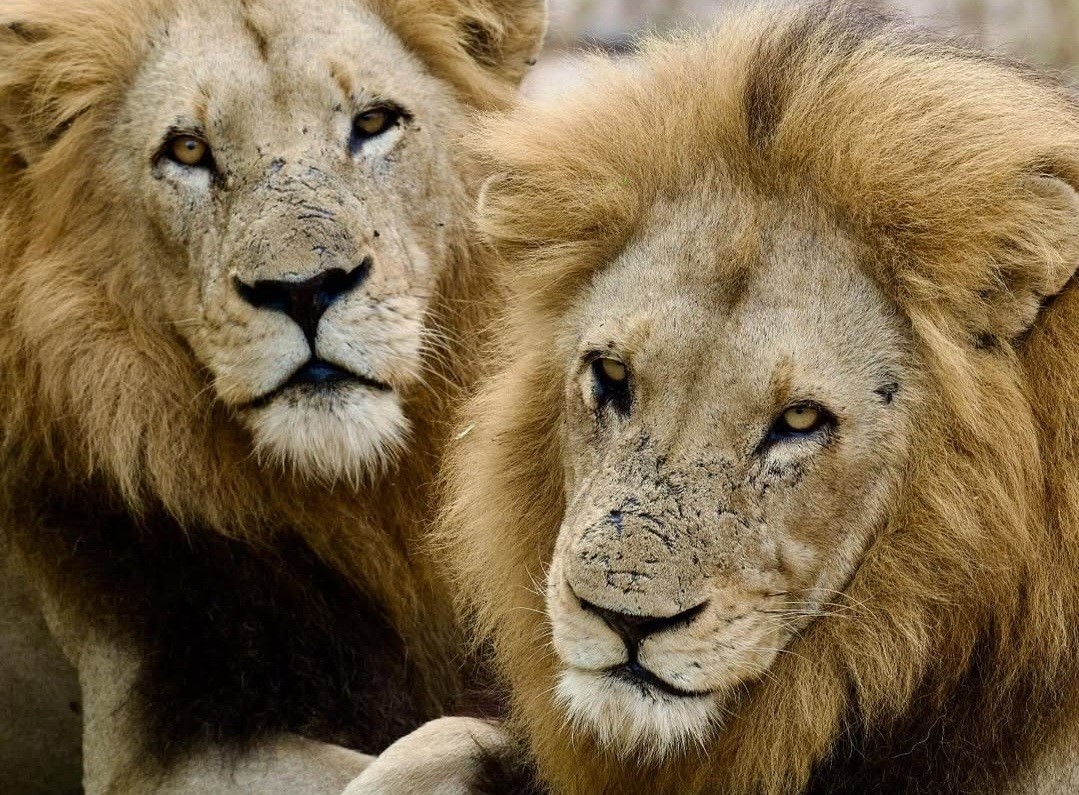
Long before their dominance over the Ntsevu Pride and before their roars echoed through Londolozi, the Ndzhenga Males were young nomads carving out their identity on the southern fringes of the Sabi Sands. Their first opportunity for territorial control came with the Styx Pride. This early alliance provided more than just mating opportunities—it gave them a critical foothold. They began asserting themselves by scent-marking, roaring, and defending the area against rival males. Although their time with the Styx Pride was short-lived, the experience laid a foundation for their future conquests. In April 2022, the male with the crooked paw was caught alone by the Gijima Males and further injured. Though he limped on for months, his health continued to decline, and his body was eventually found east of the Sand River in February 2023. Then in May 2023, 'Gore' succumbed to the longstanding stomach injury he had carried for years. The coalition was reduced to two males.
The Big Move
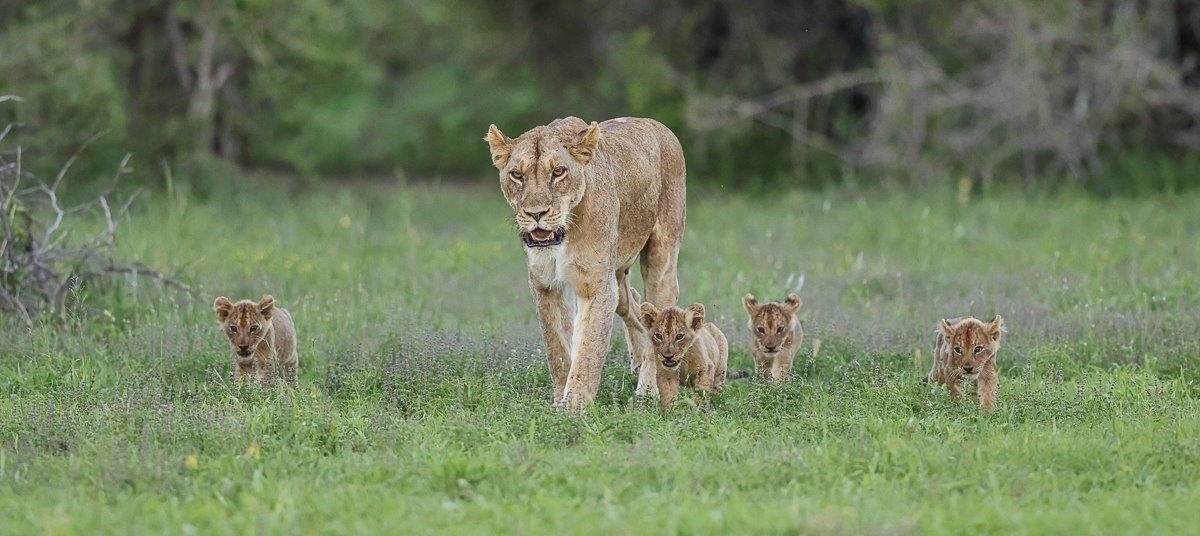
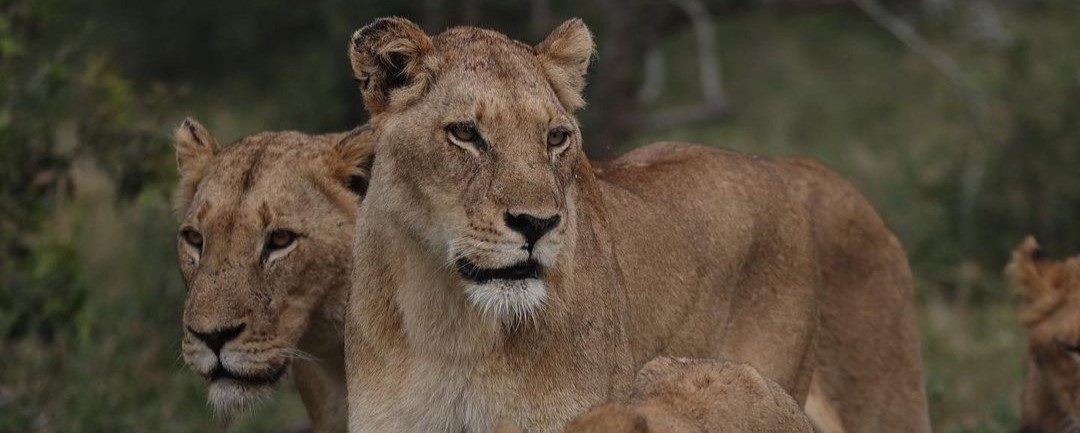
It wasn’t long before the remaining Ndzhenga Males abandoned their southern Sabi Sands territory and moved north into Londolozi and MalaMala. Their arrival coincided with the decline of the Birmingham Coalition, which had been reduced to a single aging male. The Ndzhenga Males acted swiftly and decisively. They launched an aggressive takeover, roaring boldly along the Sand River and ousted the last Birmingham male within days. Their focus soon shifted to the Ntsevu Pride—descendants of the very Birmingham Males they had replaced. The Ndzhenga Males wasted no time, mating with several lionesses and quickly asserting dominance. Their control was cemented through persistent patrolling and scent-marking across central Londolozi. Since then, the Ndzhenga Males have also mated with several lionesses of the Kambula pride, which currently includes four females born in 2013 and five from 2018. While several cubs born in 2022 did not survive, an estimated 21 cubs were born between November 2022 and April 2023—12 of which are still alive at the time of writing.
New Threats and a Shifting Landscape
While the last two Ndzhenga Males still reign, the landscape around them is shifting rapidly. Several rival coalitions and nomadic males are pushing into contested territories. To the west, the Plains Camp Males remain dominant, but their increasing forays eastward suggest a growing interest in expanding their influence. Adding to the instability is the Skorro Male—a solitary nomad whose growing presence creates further uncertainty. These emerging forces pose significant challenges to the remaining Ndzhenga Males, who must now fight not just to hold territory but also to protect their cubs and preserve the stability of the Kambula Pride.
A New Force from the West
Among the rising threats, none loom larger—literally and figuratively—than the Plains Camp males. This powerful duo, still in their prime, have established an expansive territory west of Londolozi. Their domain now extends toward the northern boundary and is edging dangerously close to the Ndzhenga stronghold. Although they’ve primarily remained to the west, recent events suggest they are testing both territorial and strategic boundaries. A dramatic encounter in mid-2024 saw them chasing a lone Ndzhenga male toward the airstrip. Just when it seemed like defeat was imminent, the second Ndzhenga male arrived, roaring with defiance. The Plains Camp Males, sensing the shift in momentum, chose to retreat. Although the Ndzhenga Males prevailed that day, the warning was clear: the Plains Camp Males are not just interlopers—they are serious contenders. With their size, confidence, and growing reach, they may pose the most formidable threat to the Ndzhenga legacy.
Can Two Hold What Four Once Did?
Having four members once gave the Ndzhenga Coalition the ability to patrol vast territories and sire numerous cubs. Now, with only two remaining, their capacity to defend that territory—and ensure their cubs' survival—is being tested. For the time being, they remain a powerful presence. Their roars still resonate across Londolozi at dawn. Yet, in the ever-changing dynamics of lion coalitions, dominance is never guaranteed. All we can do is hope the remaining two hold strong long enough for their cubs to grow, survive, and one day, claim territories of their own.
The information was gathered through various public medias such as blog pages, forums, and online groups.