The Golf Course and Kruger Years
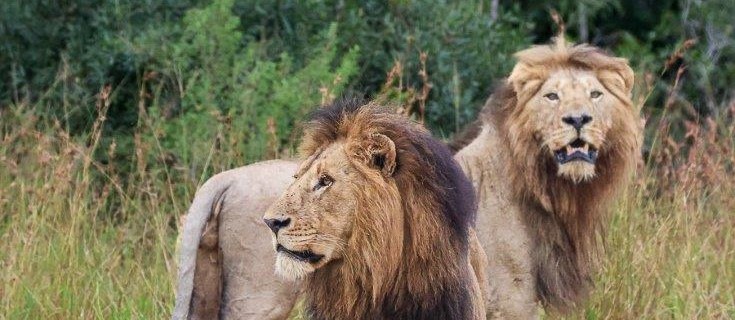
It’s unclear under what circumstances the Roller Coaster males were pushed out. It’s likely they were already in the process of abandoning the pride and moving north to secure the Sparta Pride. The two Golf Course males, sons of the Roller Coaster males, took over their natal pride—a rare but not uncommon occurrence in lion dynamics. The Golf Course males fathered at least five males called the “Selati Males” in 2007, along with a few females who remained with the pride. How their reign ended is unclear, but the last male was seen in poor condition and passed away in 2010. Another coalition, the “Kruger Males,” individually named “Freddy” and “Limper,” briefly dominated the pride. These males held control for a couple of years, but little is known about their offspring within the pride. Eventually, they were ousted by two young and confident Charleston males.
The Charleston Years
The Charleston males were an impressive duo originating from the Charleston Pride in the southern part of Sabi Sands. The aging Kruger males were no match for the young, hungry Charleston males. The Charleston coalition fathered multiple litters with the pride, at one point growing the pride to over 20 members. However, the Charleston males didn’t remain long enough for the cubs to reach a safe age, and the pride’s numbers quickly dwindled as they tried to keep a low profile to avoid other lions. By 2017, the pride had shrunk from 16 strong just a year earlier to only four lions: one adult lioness, one adolescent lioness, and two cubs. At that time, the original Mantimahle males were active in the area, a coalition the Charleston males could never have taken on directly. In the following years, the pride suffered further losses; the older lioness died, and the two young cubs were lost by 2020, leaving the sole young Southern lioness with the monumental task of rebuilding the pride.
The Ndzhenga Males
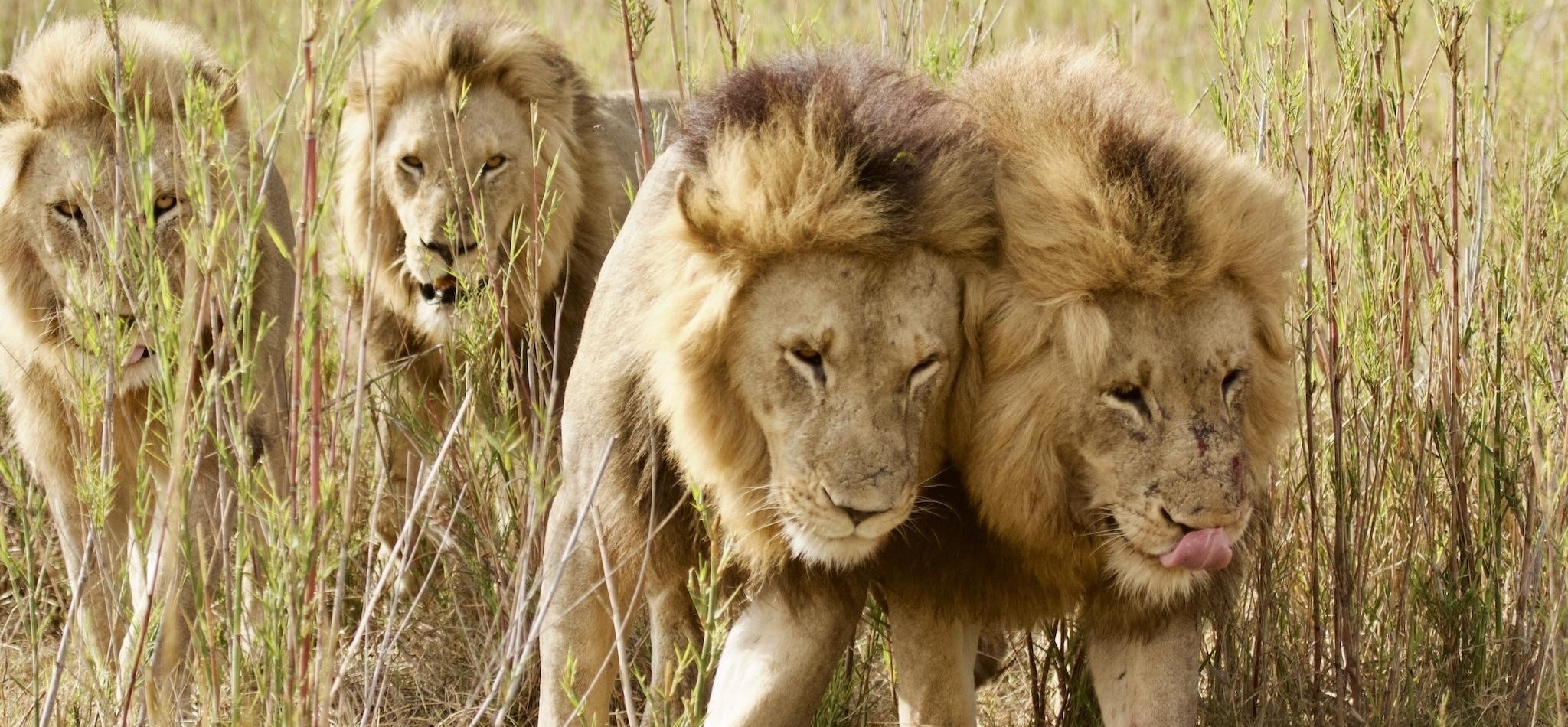
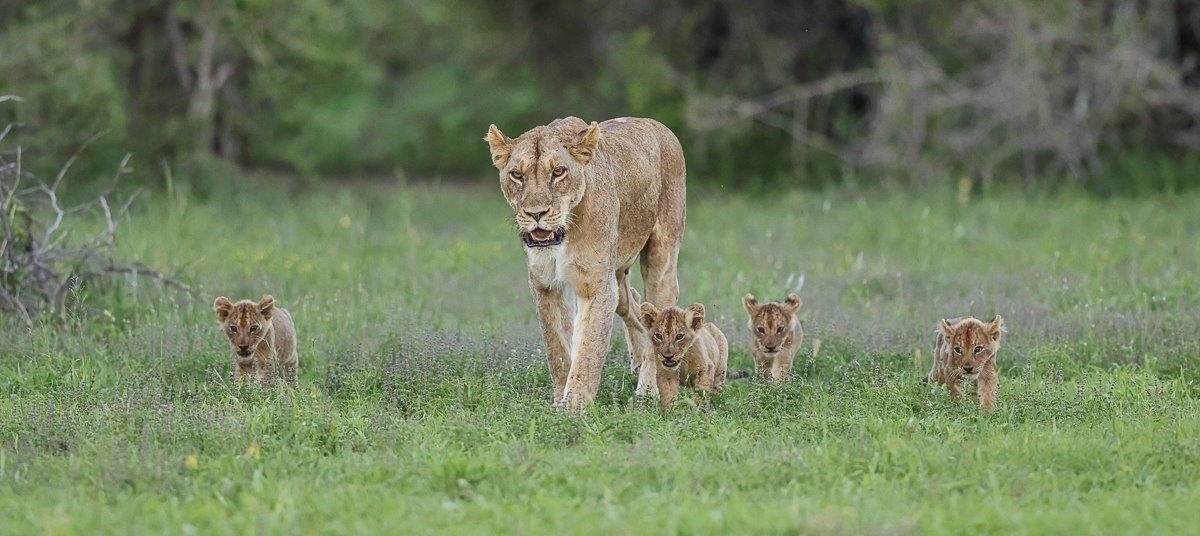
By 2021, the lone young lioness was the only carrier of the Southern Pride legacy, with little experience but a mammoth task ahead to rebuild the pride. The Ndhzenga coalition were a young coalition seeking to establish territorial dominance for the first time. The lioness was seen mating with the Ndzhenga males, who had successfully become territorial in an area with few challengers. The first litter of the lone lioness consisted of two female cubs. If she could manage to raise them to adulthood, the Southern Pride would have a chance to survive. Despite being young, the Ndzhenga males proved to be good dominant males, allowing the lioness to successfully raise her cubs. Unlike the last Sparta Pride and the current Tsalala female, the Southern lioness accomplished the impossible. By the time the Ndzhengas moved north in 2022, the pride had grown to three members.
Current Status and the Gijima Males
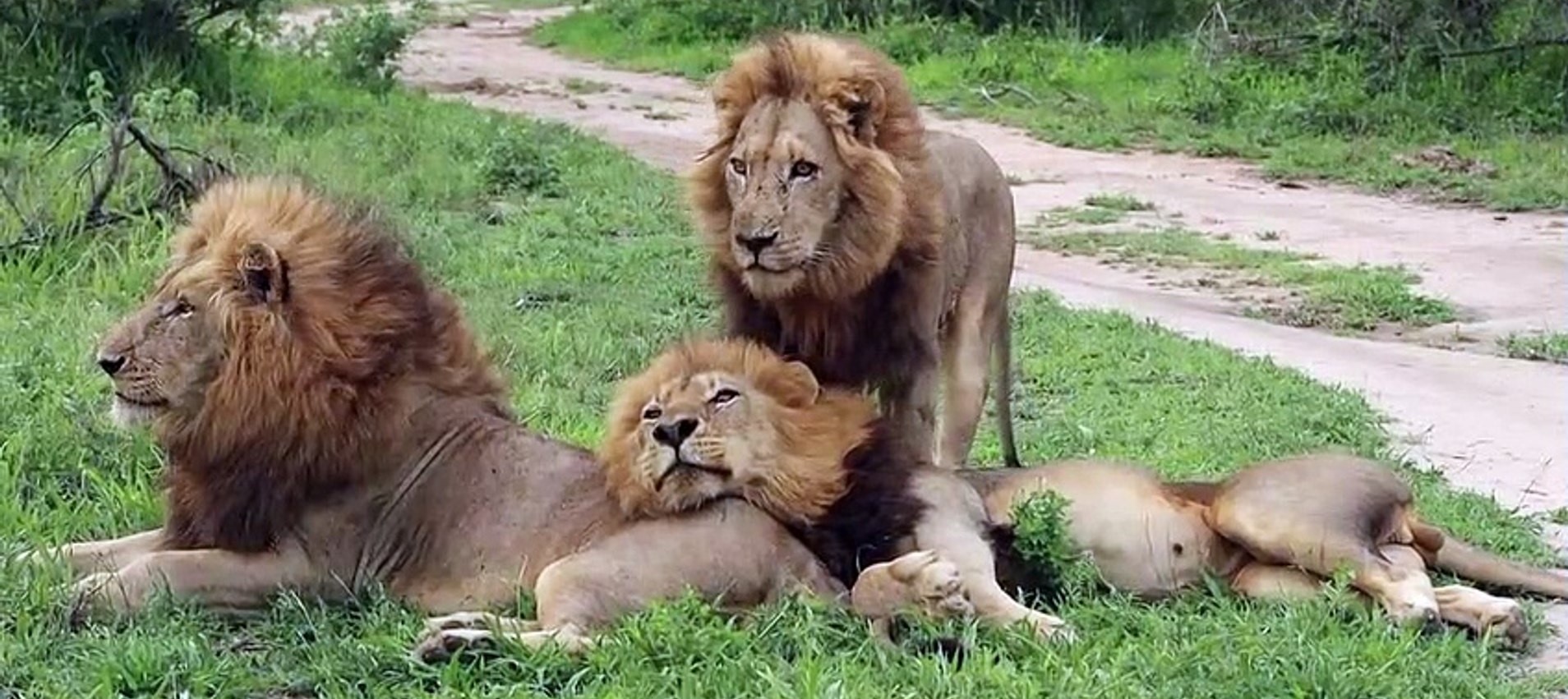
In March 2022, the status quo in southern Sabi Sands was abruptly disrupted. Three young males, later known as the Gijima males, attacked the older Ndzhenga male called “Ubuso,” further injuring him on top of his existing permanent injuries. The Ndzhenga males were already in the process of abandoning their territory to move north, and the forceful Gijimas pressured them to leave sooner. The Gijimas quickly took over the Southern Pride and were surprisingly tolerant of the two young females, who weren’t yet ready to breed. Soon, they fathered litters with the pride and provided the stability needed for growth. As of 2025, the pride has grown to seven members, including three adult females, two sub-adults, and three cubs. The Gijima males will play a crucial role in ensuring the survival of the current sub-adults and cubs, maintaining a presence to deter rival males from killing them. However, if the Gijima males abandon the pride in the future, it would leave the pride vulnerable. The timing of such a departure will determine what happens next.
The information was gathered through various public medias such as blog pages, forums, and online groups.